
Have you ever picked something up in the shop and thought it looked exactly the same as always… but somehow felt smaller?
The other day I grabbed a deodorant and noticed something strange. The bottle looked identical to the one I’ve always bought, the price didn’t seem much different either, but when I looked at it properly it somehow felt smaller than I remembered
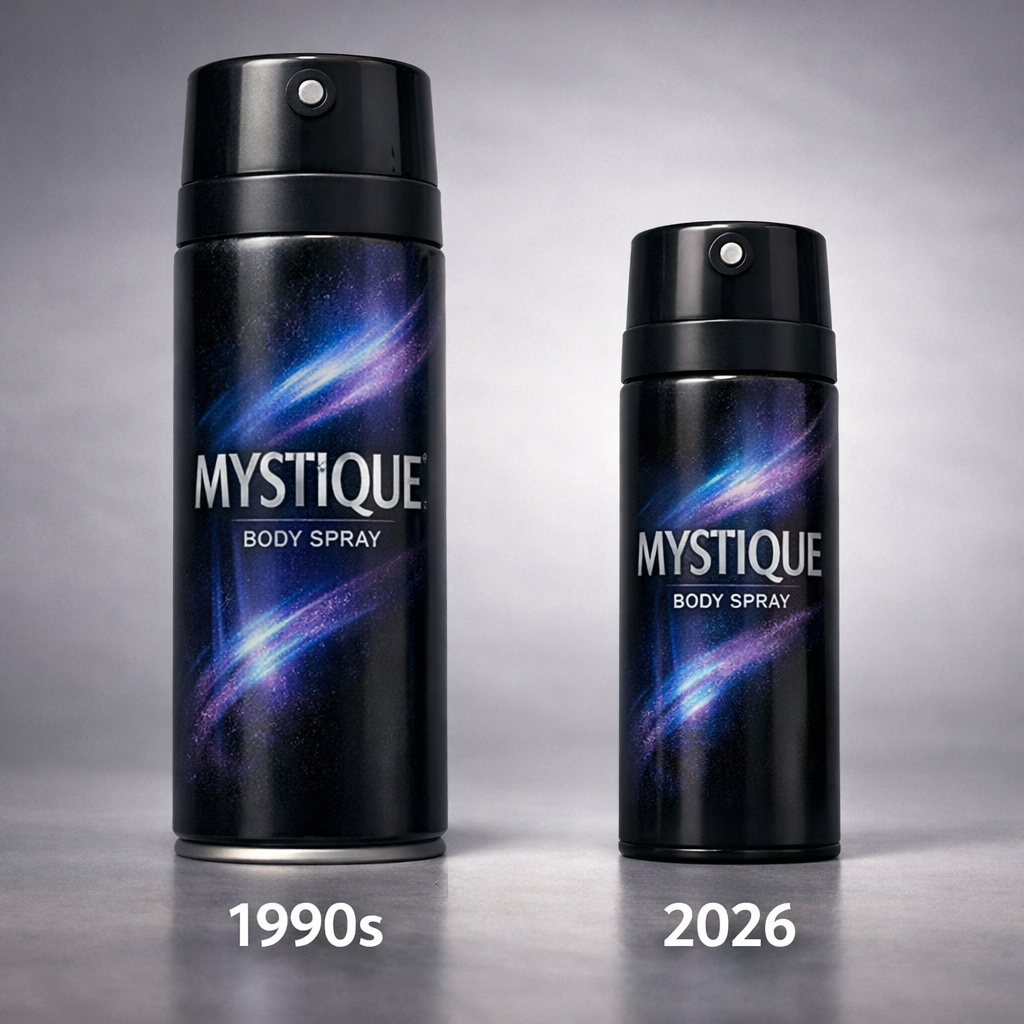
Now maybe my memory is playing tricks on me, but I’m sure they used to be bigger than that.
It turns out there’s actually a name for this trick: shrinkflation.
Shrinkflation is when companies quietly reduce the size of a product instead of increasing the price. The packaging often looks almost identical, so unless you check the weight or volume, you might never notice the difference.
Chocolate bars are a good example. Many bars have gradually shrunk over the years, but the trick doesn’t stop there. Multipacks often contain bars that are even smaller than the standard version you’d buy individually.
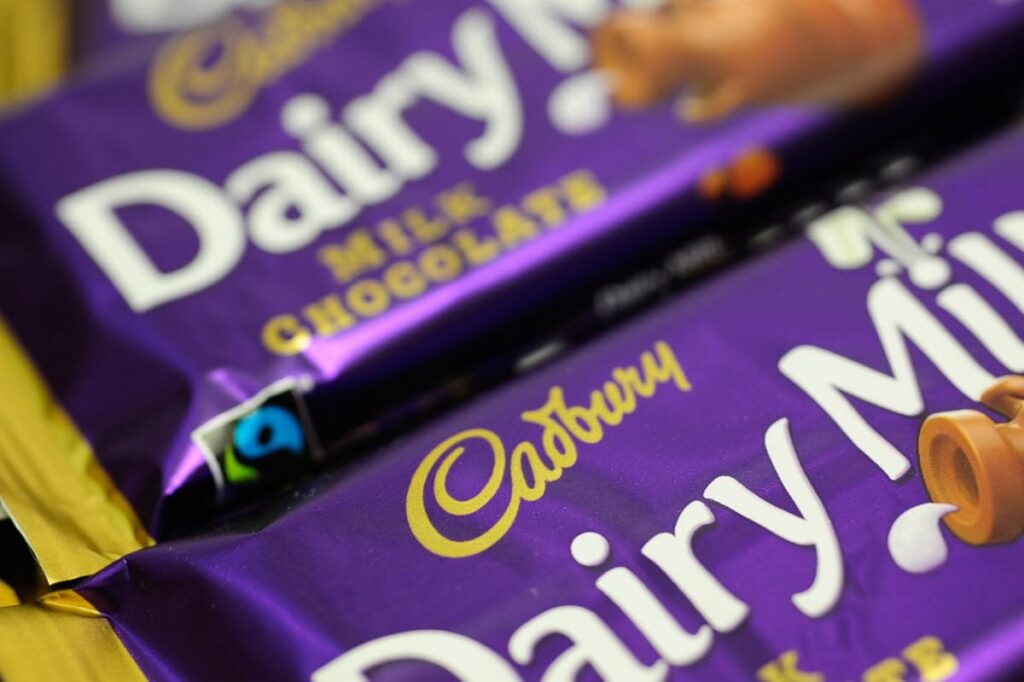
So not only has the bar itself become smaller over time, but the multipack versions are often smaller again. At first glance it looks like a bargain — four bars for a lower price — but when you compare the weight, you’re sometimes getting far less chocolate than you think.
Crisps, cereal boxes, deodorant, chocolate bars — loads of everyday products have gradually shrunk over the years while prices have crept up.
Sometimes it’s even spun as a good thing.
You’ll see phrases like “lighter snack”, “perfect portion size”, or “new compact packaging.”
In other words: the product got smaller.
It’s clever marketing really. Most shoppers notice a price increase straight away, but far fewer notice when a product quietly drops from 75ml to 50ml, or from 200g to 180g.
And it’s not just food either. Even property adverts sometimes do something similar. You’ll often see phrases like “modern compact apartments”, which can sometimes be another way of saying smaller living spaces for the same price.
Of course, sometimes smaller products genuinely do make sense. But next time you’re in the supermarket, have a quick look at the price per gram or millilitre on the shelf label.
That’s usually the quickest way to see what you’re really paying.