

Where does the term “ivory tower” come from?

When people say someone is “up in their ivory tower,” they usually mean a boss, expert, or decision-maker who’s comfortable at the top but out of touch with everyday life. What’s interesting is that the phrase didn’t start off as an insult at all.

The term goes back to the Bible, specifically the Song of Songs, where ivory is used as a symbol of beauty, purity, and extreme value. Ivory was rare and expensive, so comparing something to a tower made of ivory was meant as praise — something elevated, impressive, and admired.

In the 19th century, the phrase was picked up by French writers and critics. They used “ivory tower” to describe poets, philosophers, and artists who deliberately removed themselves from everyday society so they could think and create without distraction. At the time, it wasn’t negative — it suggested intellectual independence and a life above petty concerns.

The meaning shifted in the 20th century as universities, governments, and big institutions grew in power. “Ivory tower” became a sarcastic label for people at the top who were seen as detached from reality — making theories, policies, or business decisions without understanding how ordinary people actually live or work.

Today, when someone says “he’s in his ivory tower,” it usually implies privilege, distance, and a lack of real-world experience. The irony is that these towers aren’t built from ivory at all — they’re built on the labour and effort of the people at the bottom.

In short: an ivory tower started as a compliment, became a lifestyle choice, and ended up as a criticism of being out of touch.

Funny thing about ivory towers — they’re never made of ivory, just other people’s work.
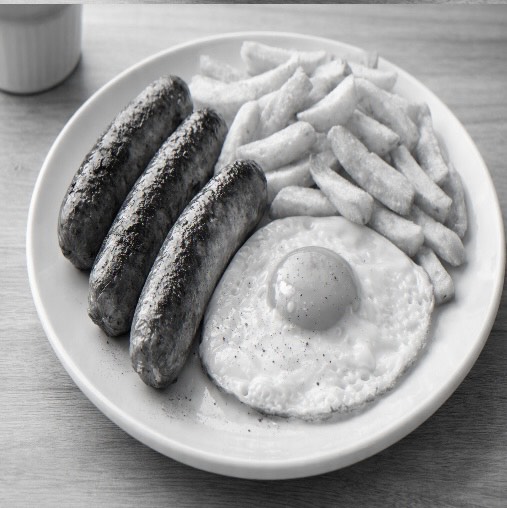
Fuel in, job done!

Most men don’t eat for pleasure every time — a lot of the time they eat for fuel.

If it fills you up, keeps you going, and doesn’t slow you down, that’s “good enough”.

No guilt. No ceremony. Job done!

Random Lad Fact of the Day:

Most men will happily spend 20–30 minutes trying to fix something themselves (without instructions), even if a professional could do it in 5 — purely because winning against the object matters more than time, money, or dignity.

That instinct comes from the same place as:

  • refusing to ask for directions
  • rebuilding something after watching one video
  • saying “I’ll just have a quick look” and disappearing for an hour

It’s not about efficiency.

It’s about not being beaten by a thing.

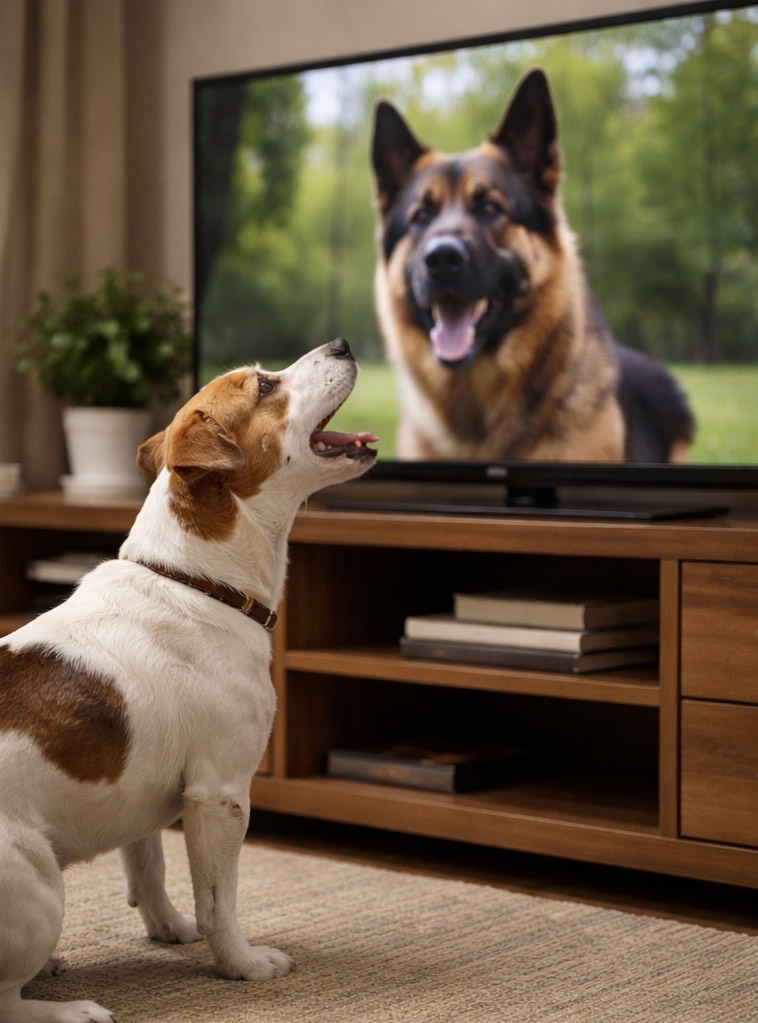
Your Dog Isn’t Stupid — the TV Just Lies Better Than the Mirror

Ever noticed how your dog goes absolutely ballistic when a dog appears on the telly — yet walks straight past a mirror like it doesn’t exist?

You’d think it would be the other way around.

After all, one is literally them.

But here’s the truth:

your dog isn’t confused — he’s making a perfectly logical decision.


Dogs don’t recognise themselves (and that’s normal)

Humans recognise themselves in mirrors. Dogs don’t.

A dog seeing a mirror doesn’t think:

“Oh, that’s me.”

He thinks:

“That looks like a dog… but it smells like nothing, sounds like nothing, and behaves like nothing.”

Dogs rely far more on smell and sound than sight. When those are missing, the whole thing collapses.

So most adult dogs do the sensible thing:

  • They test the mirror once or twice
  • Get no useful information
  • Ignore it forever

That’s not stupidity. That’s efficiency.


Why the TV sets them off

Now compare that to the television.

A dog on TV:

  • Moves independently
  • Makes noise
  • Appears and disappears
  • Doesn’t copy your dog’s movements

From a dog’s point of view, that’s close enough to real life to matter.

It doesn’t need to be perfect.

It just needs movement + sound.

That’s why:

  • Door noises trigger barking
  • Footsteps get attention
  • A dog barking on TV = instant alert mode

The TV behaves just enough like life to trigger a reaction.


Mirrors are too perfect to be believable

Here’s the irony.

A mirror is actually less convincing to a dog than a screen.

The reflection:

  • Copies every movement instantly
  • Never acts on its own
  • Never makes a sound
  • Never approaches

That’s not how animals behave.

So the dog brain runs a quick checklist:

  • Threat? ❌
  • Useful information? ❌
  • Worth energy? ❌

Conclusion:

“Ignore it.”

And he does.


Dogs don’t think “real vs fake”

This is the bit humans get wrong.

Dogs don’t analyse reality like we do.

They think in simple terms:

  • Relevant or irrelevant
  • Threat or no threat

TV dogs = potentially relevant

Mirror dogs = complete waste of effort


The takeaway

Your dog isn’t stupid.

The TV just lies better than the mirror.

And your dog, being a dog, reacts accordingly.

Have You Ever Wondered If Shaving Makes Your Beard Grow Back Thicker?

Almost every lad hears this at some point.

You’re in your teens or early twenties, your beard’s coming through patchy or slow, and someone says:

“Just shave it more — it’ll grow back thicker.”

It sounds logical. You shave, it comes back. You shave again, it comes back again. So surely shaving must be doing something.

But here’s the truth.

Shaving does not make your beard grow thicker, darker, or faster.


Where the myth comes from

When facial hair grows naturally, the tips are tapered — finer and softer at the end.

When you shave, you cut the hair bluntly. So when it grows back, the end feels:

  • rougher
  • darker
  • more noticeable

That makes it look thicker, even though nothing has changed under the skin.

The hair follicle itself hasn’t been affected at all.


What actually controls beard growth

Beard growth is mainly down to:

  • genetics
  • hormones
  • age

Some men can grow a full beard at 18.

Others won’t fill out properly until their mid- or late-20s — sometimes even later.

Shaving doesn’t speed that process up.

Time does.


Why it feels like shaving “worked” for some people

A lot of men start shaving regularly around the same time their beard is naturally developing anyway.

So the improvement happens after shaving starts — but not because of shaving.

The timing overlaps, and the myth survives.


So should you shave or not?

Shaving:

  • won’t make your beard grow better
  • won’t make it worse either

If your beard’s patchy or slow, there’s nothing wrong with you — it just hasn’t finished developing yet.

No amount of shaving can rush biology.


The bottom line

Shaving doesn’t make your beard grow thicker.

It just makes the hair feel rougher when it comes back.

If you can’t grow a proper beard yet, you’re not broken — you’re just early.


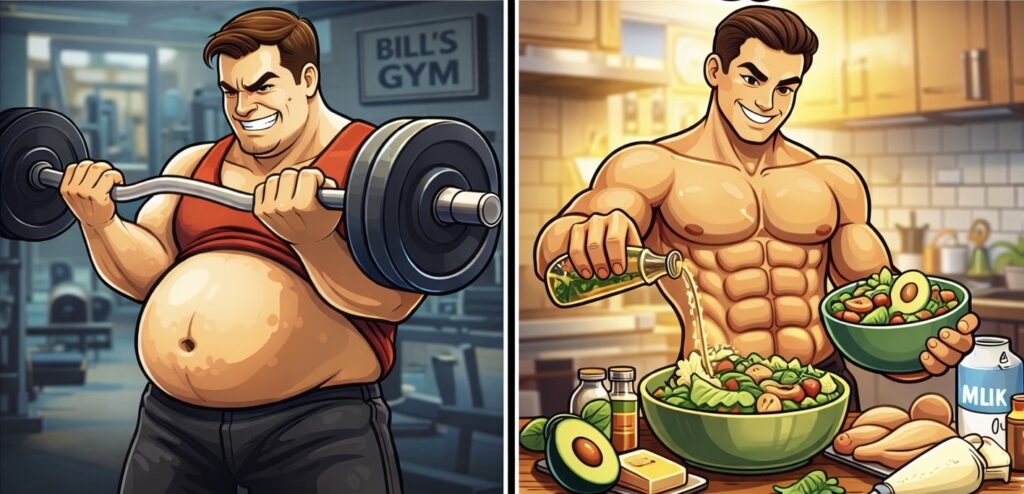
Abs Aren’t Made in the Gym — They’re Made in the Kitchen

You can smash sit-ups all day long, but if your diet’s all over the place, your abs aren’t coming out. Simple as that.

Training helps build the muscle, but nutrition is what strips the fat off and actually lets you see it. Too many people overcomplicate it with mad routines and forget the basics — what you eat matters more than how many crunches you do.

Get the food right, stay consistent, and the gym work finally starts to show.

Sometimes the simplest truth is the one people don’t want to hear.

Related: Abs Are Made in the Kitchen

Most People Stop Nosebleeds the Wrong Way

If you’ve ever had a nosebleed, chances are someone told you to lean your head back.

Turns out that’s exactly what you shouldn’t do.

Came across this on Art of Manliness and, while I wouldn’t normally think twice about nosebleeds, this is one of those everyday things most people get wrong. Simple, practical, and actually useful to know — especially if you’ve ever ended up swallowing blood like a mug.

Worth a quick read.

Read the full guide on Art of Manliness