It’s not because you were driving faster — it’s because your brain treats the two journeys differently.
On the way there, everything is unfamiliar. New roads, new landmarks, and uncertainty make your brain work harder. You subconsciously check progress more often, which stretches your perception of time.
On the way back, the route is familiar. Your brain switches to autopilot, stores fewer memories, and stops actively tracking the journey. With less attention on the road, time feels like it passes faster.
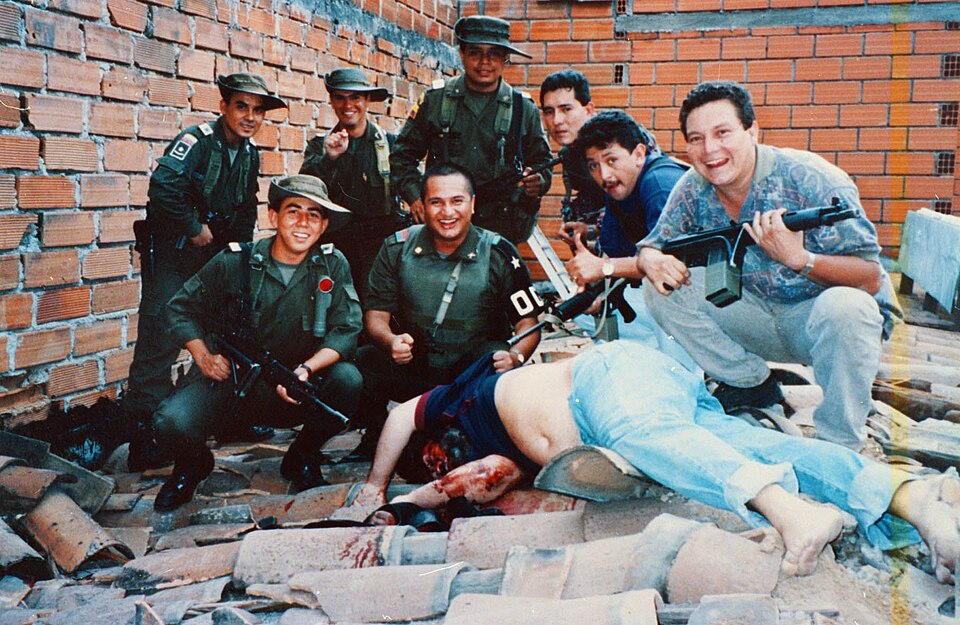
Pablo Escobar rose from small-time crime in Medellín to become the most powerful drug trafficker in history. At his peak, he controlled a vast cocaine network, accumulated wealth on an almost unmanageable scale, and openly challenged the Colombian state. His life ended in 1993 when he was shot dead on a rooftop while attempting to evade capture.
What followed his death was not triumph or legacy, but fragmentation, fear, and lasting damage.
Early life and beginnings
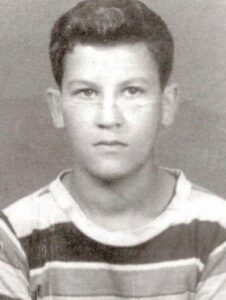
Born in 1949 in Rionegro, Colombia, and raised in Medellín, Pablo Escobar came from modest circumstances. His early criminal activity had little to do with drugs — forged documents, small-scale smuggling, and car theft were his entry points.
What distinguished Escobar early on wasn’t strategy or sophistication, but a willingness to escalate when others hesitated. Violence wasn’t a last resort — it was a tool.
By the late 1970s, as cocaine demand surged in the United States, Escobar positioned himself at the centre of a growing trade.
The Medellín Cartel and unimaginable wealth
Escobar became the public face of the Medellín Cartel, which at its height controlled a majority share of the global cocaine market.
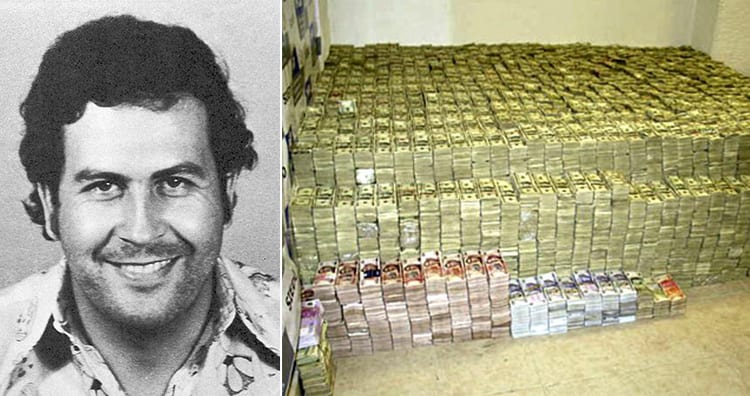
The scale of money involved defied normal logic. Cash was stored in warehouses, buried underground, or hidden in walls. Large sums were routinely lost to mould, fire, and rodents.
One often-reported detail — verified by multiple sources — is that Escobar allegedly spent around £32,000 per month on elastic bands just to bundle cash. This wasn’t excess for show; it was necessity created by volume.
At this level, wealth stopped being about lifestyle and became a logistical problem.
Power, fear, and “plata o plomo”
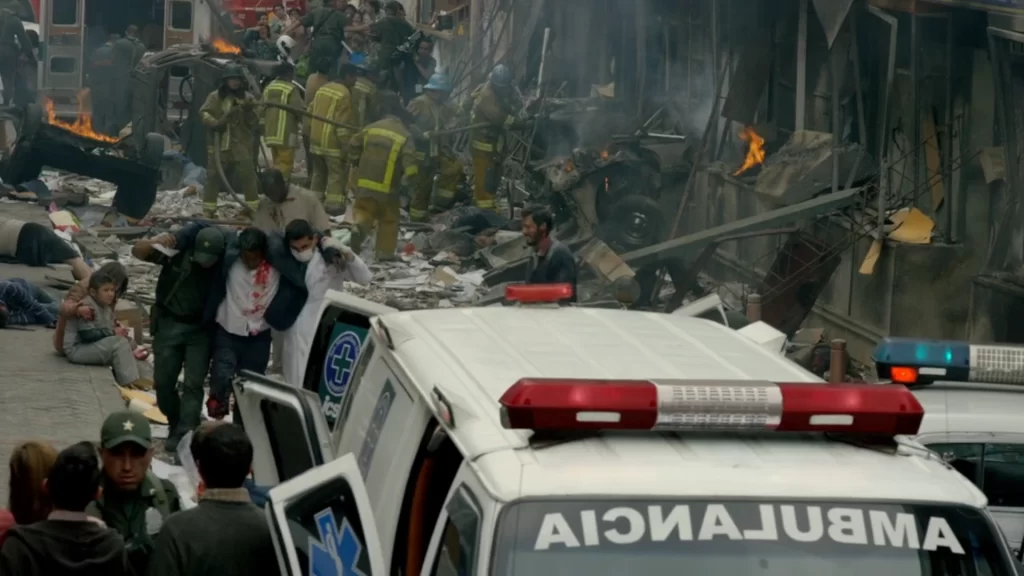
On January 30, 1993, Bogotá was bombed by the Medellin Cartel on the order of Pablo Escobar
Escobar’s influence relied on a brutal simplicity: plata o plomo — silver or lead.
Officials were bribed or killed. Judges, police officers, journalists, politicians — many complied, many didn’t survive. Car bombings, assassinations, and public attacks became part of daily life in Colombia during the height of his power.
This wasn’t hidden criminality. It was open conflict.
Public image and contradiction
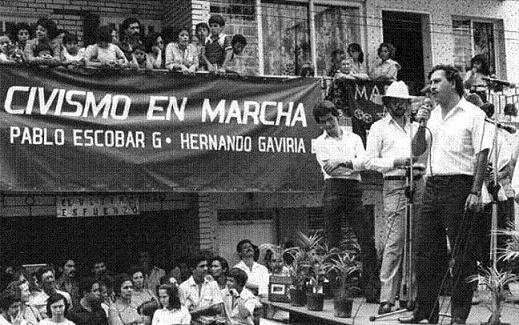
Despite his violence, Escobar cultivated an image as a benefactor in poor areas of Medellín. He funded housing projects, football pitches, and community initiatives.
To some locals, he was seen as a provider. To the state, he was a terrorist. Both views existed simultaneously — and that contradiction is central to understanding why his story still resonates.
These gestures did not offset the damage he caused, but they complicated how he was perceived.
Pressure, isolation, and decline
As Colombian and US authorities intensified efforts against the cartel, Escobar’s position weakened.
He was eventually imprisoned — in a facility built largely to his own specifications. When that arrangement collapsed, he escaped, triggering one of the largest manhunts in modern history.
Former allies turned away. Protection eroded. Surveillance tightened. The network that once shielded him became a liability.
Power built on fear proved fragile once the fear shifted direction.
Death on the rooftop
In December 1993, Escobar was located in Medellín.
Attempting to flee across rooftops, he was shot and killed during the escape. He was 44 years old.
There was no negotiation, no exile, no quiet disappearance. The end came suddenly, publicly, and without ceremony.
Aftermath and reality
Escobar’s death did not end the drug trade, but it did end his myth.
His organisation fractured. Violence continued. Colombia was left to deal with the long-term consequences of years of corruption, trauma, and instability.
For all the money, influence, and notoriety, the outcome was bleak: fear, loss, and a life that collapsed under its own weight.
Why his story still matters
Pablo Escobar’s story is often retold not because it is admirable, but because it is extreme.
It shows what happens when power, money, and violence reinforce each other without limits — and how quickly that structure can implode.
Strip away the myth, and what remains isn’t a kingpin, but a warning.